
Tatiana Schlossberg
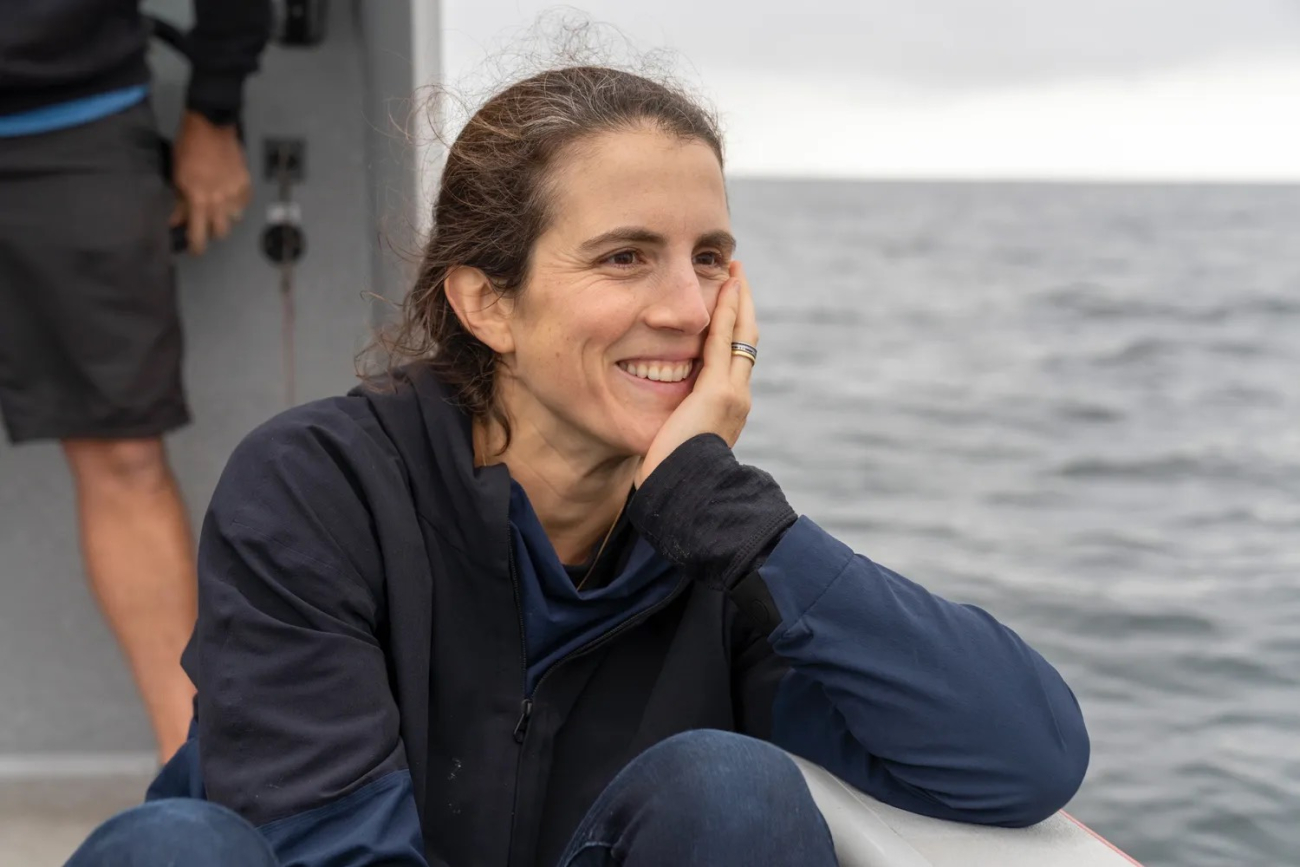
When doctors told her she had leukemia, Tatiana Schlossberg was stunned. She was 34 years old. Hours before, she had given birth to her second child. “I did not—could not—believe they were talking about me,” she would later write.
Beyond being young, Schlossberg was healthy. An environmental journalist writing for The New York Times, The Atlantic, The Boston Globe, and other publications, she was remarkably active. While reporting on the impact of dwindling snowfall on the Birkebeiner in Wisconsin, she skied the entire cross-country race herself—a trek that took more than seven hours. The day before her diagnosis, she had swum a mile while nine months pregnant.
But after her diagnosis, Schlossberg was forced to give up her career and hobbies. She even had to distance herself from her children: Due to the risk of infection, she never got to feed or bathe her newborn daughter.
The indispensability of research
In her final piece of writing, a widely shared New Yorker essay titled “A Battle with My Blood,” Schlossberg related her story to readers, inviting them to witness the unthinkable but increasingly common experience of early-onset cancer—from the inside.
Schlossberg related her story to readers, inviting them to witness the unthinkable but increasingly common experience of early-onset cancer—from the inside.
Using the magazine’s national platform, Schlossberg also advocated for government investment in medical research. Clearly and calmly, she described how it felt to watch the federal administration slash billions of dollars from the National Institutes of Health (NIH), the largest funder of medical research in the world. “Hundreds of NIH grants and clinical trials were cancelled, affecting thousands of patients,” Schlossberg wrote. “I worried about the trials that were my only shot at remission.”
Her essay showed how critical government-funded research is for patients. Schlossberg noted that one of her chemotherapy drugs, cytarabine, owes its existence to a Caribbean sea sponge, and that the scientists who discovered the animal’s healing properties “almost certainly relied on government funding.”
Uncovering hidden carcinogens
While her words in The New Yorker largely focused on cancer treatments, Schlossberg’s own reporting had long examined the environmental causes. She showed how many of the same industrial activities that drive climate change also release hazardous chemicals into the environment, harming people’s health.
"We are collectively responsible for building a better world."
– Tatiana Schlossberg
For instance, Schlossberg exposed the little-known dangers of coal ash, a coal-burning byproduct that never biodegrades and contains a range of cancer-causing chemicals. Nearly half of the holding ponds where coal ash is stored across the country are unlined, allowing the contaminants to leach into groundwater, she wrote in her book, Inconspicuous Consumption: The Environmental Impact You Don’t Know You Have.
If you live near one of these unlined ponds, she explained, your risk of getting cancer is 1 in 50—or 2,000 times higher than the Environmental Protection Agency’s target level for cancer risk from chemical exposure.
Schlossberg also sounded the alarm on the widespread use of nitrogen-based fertilizers. High levels of nitrate in drinking water have been linked with ovarian, bladder, thyroid and other cancers. And her reporting on Silicon Valley highlighted another contaminant that not only pollutes water, but also produces toxic vapors: trichloroethylene, or TCE. Once used to clean computer chips, the chemical is responsible for the region’s 22 active Superfund sites and has been associated with hormone disruption, cancer, and miscarriages.
Walking the path of Rachel Carson
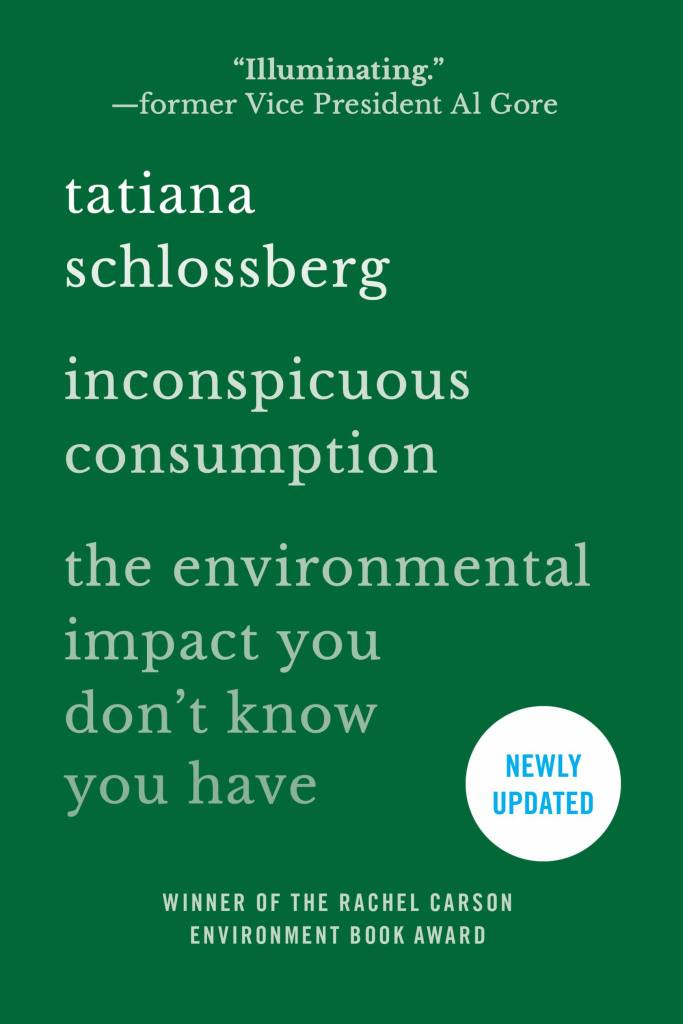 For its plainspoken portrayal of these and other hazards, Inconspicuous Consumption won the Rachel Carson Book Award in 2020. Like the famous ecologist, Schlossberg dedicated herself to sharing vital science with the public in a form that people could understand. Her book emphasized the connections between climate change and everyday things—an air conditioner, a hamburger, a pair of jeans.
The two writers were also both drawn to the sea. Before Silent Spring, Carson published a trilogy of books on marine life. In her final essay, Schlossberg wrote: “My plan, had I not gotten sick, was to write about the oceans—their destruction, but also the possibilities they offer.”
Ultimately, both women’s lives were cut short by cancer: Carson died of breast cancer at 56 and Schlossberg of leukemia at 35, roughly a month after publishing “A Battle with My Blood.”
A champion for a better world
Silent Spring Institute has chosen to honor Tatiana Schlossberg with the 2026 Susan S. Bailis Champion Award. The award is named for Susan Bailis, who worked tirelessly for a healthier future and helped raise $4.5 million to advance breast cancer prevention research.
“As a journalist who brought clarity to complex environmental issues, and as a young person who bravely shared her experience of early-onset cancer, Tatiana exemplified Susan’s passionate dedication and determination to make the world a better place,” says Dr. Mary Beth Terry, executive director of Silent Spring.
That commitment to collective action was a theme Schlossberg returned to throughout her work. Speaking at a Kennedy Center event on the environmental impact of everyday choices, she reflected on how upsetting she had found reading about climate change before she became a science reporter. Part of the problem, she explained, was “the narrative of personal responsibility,” which she argued pushes people to blame themselves rather than chemical companies and lax regulations.
But it’s important to remember that progress remains possible, she told the audience. “We don’t need to feel individually guilty about climate change,” she said, “but we do need to feel collectively responsible for building a better world.”
Silent Spring Institute will present the Susan S. Bailis Champion Award in memory of Tatiana Schlossberg at its Annual Gala on October 1, 2026 at the Museum of Science in Boston.